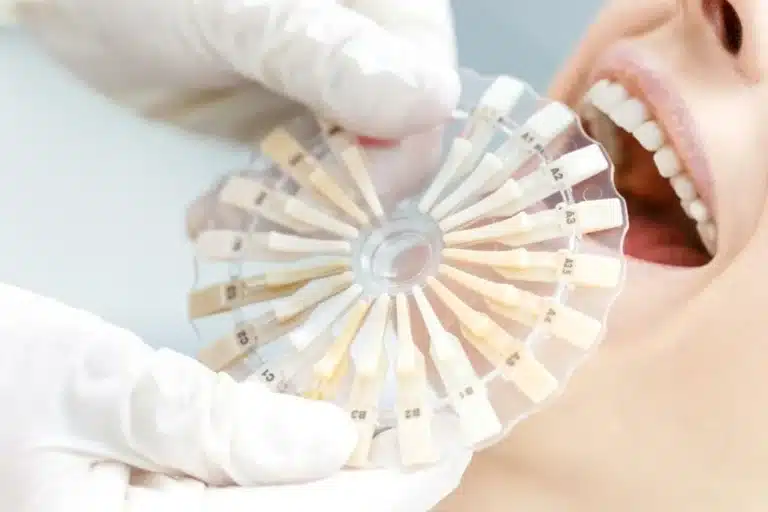
Dental Crowns in Bangkok: Costs, materials, and procedures, compared to the US, UK, and Australia.
Dental crowns are one of the most common and versatile solutions in modern dentistry for restoring damaged or badly worn teeth.
But what exactly is a dental crown, when do you need one, what does it cost in Bangkok compared to the US, UK, and Australia, and who pays for it?
This in-depth article covers everything you need to know about dental crowns.
The most practical advantage of getting a crown in Bangkok has nothing to do with price: several clinics make crowns via CAD/CAM right on-site, sometimes even the same day.
Instead of the two appointments with a one- to two-week wait in between that’s common elsewhere, you can sometimes wrap up the whole treatment in a single day, handy if you’re only in town briefly.
At a Glance
What is a dental crown?
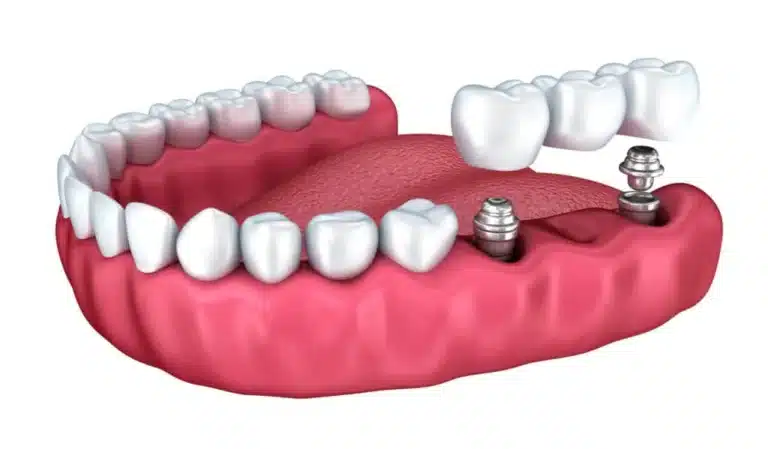
A dental crown is an artificial cap placed over a damaged tooth to protect, stabilize, and restore its natural shape and function.
Crowns are usually made from ceramic, metal, resin, or a combination of these materials.
They’re custom-made for you, so they fit your tooth precisely and blend in seamlessly with the rest of your teeth.
Crowns matter most when a tooth is too damaged for a filling or other restoration to be enough.
They cover the entire visible part of the tooth, giving it maximum protection and stability.

When are dental crowns used?
Dental crowns can be needed in a range of situations, including:
- Severe decay: When a tooth is badly damaged by decay and a filling isn’t enough, a crown may be needed to stabilize the tooth and restore its function.
- After a root canal: A tooth is often weakened and more prone to fracturing after a root canal. A crown helps protect the tooth and extend its lifespan.
- Tooth fractures: If a tooth is broken from an accident or other cause, a crown can restore the tooth’s structure and prevent further damage.
- Teeth with large fillings: When a large filling has made a tooth unstable, a crown can help protect it and restore its stability.
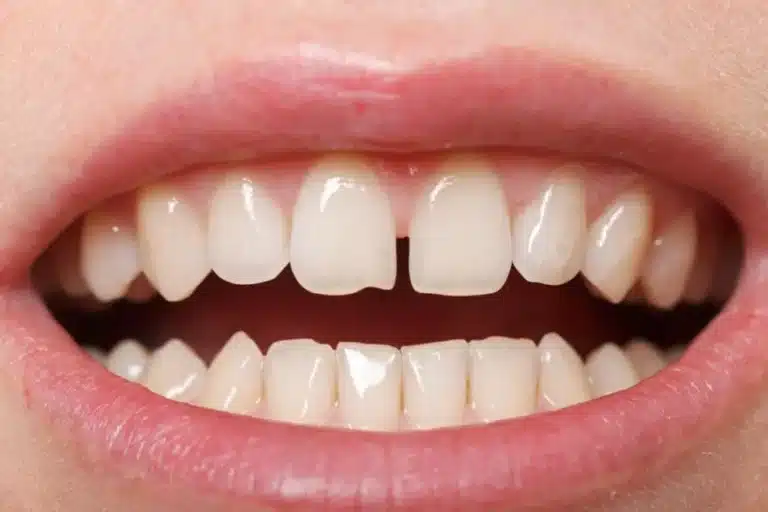
- Cosmetic reasons: Crowns are also used for cosmetic purposes, to improve the shape, size, or color of a tooth. This is especially common when a natural tooth is discolored, worn, or misshapen.
- Anchoring bridges: When a dental bridge is fitted, the neighboring teeth are often crowned to support and anchor the bridge.
What types of dental crowns are there?
There are several types of dental crowns, distinguished by material and use case:
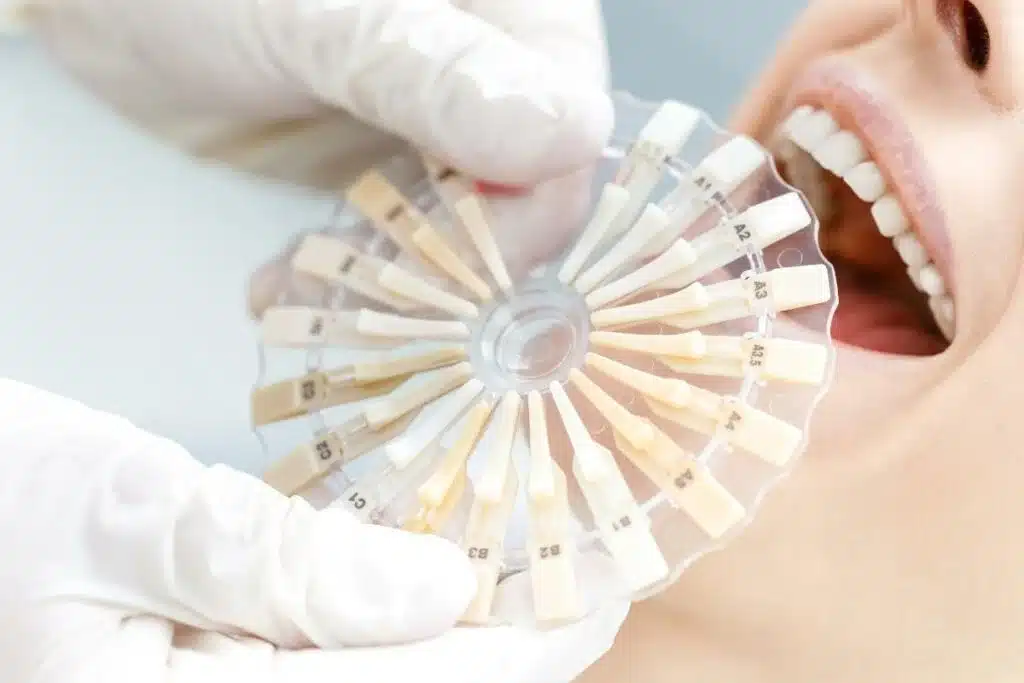
- All-ceramic crowns: Made entirely of ceramic or porcelain, these crowns work especially well for front teeth since they look very natural. They’re biocompatible and well tolerated. This category includes modern E.max crowns.
- Porcelain-fused-to-metal crowns (PFM): These crowns have a metal core for strength and an outer layer of ceramic matched to your tooth color. They offer a good balance of durability and looks.
- Gold crowns: Made from a gold alloy, these crowns are extremely durable. Because of their noticeable color, they’re usually placed toward the back of the mouth.
- Zirconia crowns: Zirconia is a very strong yet aesthetic material used for crowns. Zirconia crowns are metal-free and known for both high strength and a natural look. In Bangkok, they’re one of the most popular options among international patients.
- Resin crowns: Made from resin, these crowns are often used as a temporary solution before a permanent crown is fitted. They’re cheaper but also less durable.
How does getting a dental crown work?
Fitting a dental crown usually happens in several steps:
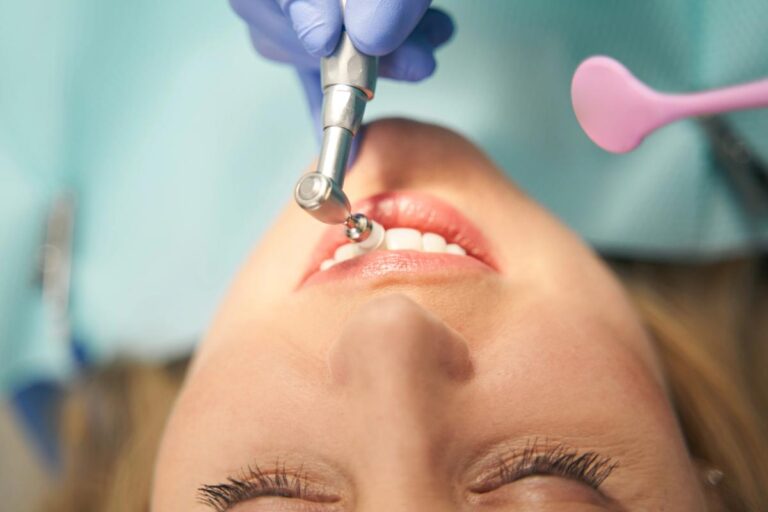
- Preparing the tooth: First, the affected tooth is prepared. This involves removing any decay and reshaping the tooth to make room for the crown.
- Taking an impression: An impression of the tooth is then taken as the template for making the crown. Many Bangkok clinics do this digitally with an intraoral scanner.
- Temporary crown or same-day production: While the final crown is being made, you’ll usually get a temporary crown to protect the tooth until it’s ready. Clinics with their own CAD/CAM lab can often mill the final crown on-site instead, sometimes within a few hours.
- Fitting the crown: Once the finished crown is ready, it’s placed on the prepared tooth and bonded with a special cement. The dentist checks the fit and bite to make sure the crown sits perfectly.
When booking, ask specifically whether the clinic has its own CAD/CAM lab, that can be the difference between one appointment and two separate appointments spread over several days.
How much does a dental crown cost?
The cost of a dental crown varies a lot depending on material, the dental practice, and where you are. Back home, prices per crown typically look like this:
- All-ceramic / porcelain crowns: $900 to $2,500 in the US, £550 to £1,200 in the UK, roughly A$1,500 to A$3,200 in Australia.
- Porcelain-fused-to-metal (PFM) crowns: $800 to $2,000 in the US, £400 to £800 in the UK, roughly A$1,200 to A$2,200 in Australia.
- Zirconia crowns: $1,200 to $2,500 in the US, £550 to £1,100 in the UK, roughly A$1,500 to A$3,200 in Australia.
- Gold crowns: $900 to $3,000 in the US depending on the gold price, £350 to £800 in the UK.
Price comparison: dental crowns in Bangkok vs. the US, UK, and Australia
For a rough sense of the numbers (as of August 2026, currency conversions approximate), prices per tooth:
| Type of crown | United States | United Kingdom | Australia | Bangkok |
|---|---|---|---|---|
| Porcelain-fused-to-metal (PFM) | $800 to $2,000 | £400 to £800 private (£332.10 NHS if eligible) | A$1,200 to A$2,200 | 7,000 to 25,000 THB (about $205 to $725) |
| All-ceramic / E.max | $900 to $2,500 | £550 to £1,200 | A$1,500 to A$3,200 | 11,000 to 18,000 THB (about $320 to $520) |
| Zirconia | $1,200 to $2,500 | £550 to £1,100 | A$1,500 to A$3,200 | 18,000 to 23,000 THB (about $520 to $665) |
| Gold | $900 to $3,000 | £350 to £800 | less commonly offered, price on request | uncommon, price on request |
These are rough benchmarks from publicly available pricing, not firm quotes. Same-day CAD/CAM crowns can sometimes cost a bit more than lab-made crowns because of the extra equipment involved, but they save you a second appointment. The actual price depends on the material, the tooth’s condition, and the clinic, and is only confirmed after an in-person exam.
Who pays for a dental crown?
Whether a crown is covered depends heavily on your insurance and where you’re getting the work done:
- US dental insurance: Most plans classify crowns as major restorative work and cover a portion after your deductible, up to your annual maximum, typically leaving you with $300 to $900 out of pocket.
- UK NHS: If clinically necessary, a crown is covered under a flat Band 3 charge of £332.10 in England and Wales (rules differ slightly in Scotland and Northern Ireland). This only applies to treatment done in the UK.
- Australian private health insurance: Medicare doesn’t cover crowns for adults. Private extras cover can rebate 40 to 60% under major dental, subject to waiting periods and annual limits that often don’t cover the full cost.
None of these schemes apply to treatment done in Bangkok, so you’ll typically pay the full price yourself there. Some private dental or travel insurance policies partially reimburse treatment done abroad, it’s worth checking with your provider beforehand.
Well-known clinics for dental crowns in Bangkok
Bangkok International Dental Center (BIDC) has its own digitized dental lab, which often allows for especially fast crown production.
Thantakit Dental Center offers a wide range of crown materials and caters specifically to international patients.
Bangkok Smile Dental Clinic works well for more straightforward single crowns, with a central location near Lumpini Park.
These mentions are for general information only and aren’t a medical recommendation, they don’t replace an individual consultation or your own comparison of several clinics. Bangkok Insiders has no commercial relationship with the clinics named, unless stated otherwise.
Practical tips for your dental crown treatment in Bangkok
Ask when you book whether the clinic makes crowns in-house via CAD/CAM, it can make a real difference to your travel planning. Without an in-house lab, plan for at least two appointments a few days apart. Also clarify the exact material in advance (there’s real quality variation within “all-ceramic” or “zirconia”), whether you get a written warranty, and how an adjustment would work after you’re back home if the crown feels off or doesn’t fit quite right.
The bottom line: when does a dental crown in Bangkok make sense?
Dental crowns are a proven, versatile solution for protecting damaged teeth and restoring their function.
They don’t just offer protection and stability, they can also deliver a great cosmetic result.
If you’re dealing with significant tooth damage or want a cosmetic improvement, a dental crown could be the right choice. In Bangkok, local CAD/CAM labs mean the treatment can often be done especially fast and affordably.
Your dentist will walk you through your options and help find the best solution for your dental health. A crown can extend the life of your tooth while bringing your smile back to full strength.
FAQs about dental crowns in Bangkok
Here are answers to some of the questions we get asked most often about dental crowns in Bangkok.
What is a dental crown and what is it used for?
A dental crown is a protective cap placed over a badly damaged or worn tooth. It stabilizes and protects the tooth while restoring its shape and function. Crowns are commonly used when a filling or other restoration isn’t enough to repair a tooth.
What types of dental crowns are there?
There are several types of dental crowns, including all-ceramic, porcelain-fused-to-metal, gold, zirconia, and resin crowns. Each type has its own pros and cons in terms of look, durability, and cost.
When is a dental crown necessary?
A dental crown becomes necessary when a tooth is badly damaged, for example from decay, a fracture, or after a root canal. It can also make sense for heavily worn teeth or for cosmetic improvement.
How long does a dental crown last?
How long a crown lasts depends on the material used, your oral hygiene, and how well you care for your teeth. Crowns typically last 10 to 15 years, and with good care and regular dental visits, they can last even longer.
What does a dental crown cost in Bangkok?
Depending on the material, prices usually run 7,000 to 25,000 THB (roughly $205 to $725 / £155 to £555 / A$305 to A$1,085) per tooth. Porcelain-fused-to-metal crowns are typically the cheapest, with zirconia and all-ceramic crowns a bit pricier. For comparison, crowns typically run $800 to $2,500 in the US, £400 to £1,200 in the UK, and A$1,200 to A$3,200 in Australia, depending on material. You’ll only get a firm quote after an in-person exam.
Does insurance cover a dental crown done in Bangkok?
UK NHS coverage and Australian Medicare only apply to treatment done at home, not abroad, so you’ll typically pay the full price yourself for a crown in Bangkok. Some private dental or travel insurance policies partially reimburse treatment done overseas, it’s worth checking directly with your provider.
How does getting a dental crown work?
The process starts with preparing the tooth, removing any decay and reshaping it to make room for the crown. An impression is then taken, often digitally with an intraoral scanner. Clinics with their own CAD/CAM lab can mill the crown on-site, otherwise a temporary crown is fitted until the final crown comes back from the lab.
Can I get a dental crown in Bangkok in a single day?
At clinics with their own CAD/CAM lab, that’s often possible, the crown is milled on-site and fitted the same day. Without that technology, you’ll usually need two appointments a few days apart. It’s worth asking about this when you book.
Can a tooth with a crown still get cavities?
While the crown itself can’t decay, the tooth underneath can still develop cavities, especially at the edge of the crown if oral hygiene isn’t kept up. That’s why it’s important to keep brushing thoroughly and to see your dentist regularly.
Is a dental crown noticeable?
Whether a crown is noticeable depends on the material and the tooth’s position. All-ceramic and zirconia crowns are designed to look like natural teeth and blend in especially well at the front of the mouth. PFM and gold crowns can be more visible depending on where they sit.
What should I watch for after getting a dental crown?
After getting a crown, avoid hard or sticky food at first to avoid putting stress on it. Some sensitivity in the tooth for the first few days is normal. Keep up thorough oral hygiene to prevent decay at the crown’s edge, and see your dentist regularly for checkups.
Note: This article is for general information only and doesn’t replace a personal dental consultation or exam. The clinics mentioned are named for general information, not as a medical recommendation, and Bangkok Insiders has no commercial relationship with them unless stated otherwise. Prices, procedures, and accreditations can change, so confirm everything directly with the clinic before any treatment, and consider getting a second professional opinion if needed.

- About the Author
- Latest Posts

Tim Kroeger is a luxury wellness travel specialist, founder of Universal Traveller, and creator of The Restorative Index, a performance-based framework for evaluating wellness hotels. After 15+ years across 110+ countries, he shifted from destination-chasing to travel recovery. Based in Bangkok, he reviews luxury wellness hotels and spas on tim-kroeger.com through a performance lens, combining firsthand testing with expert insights.