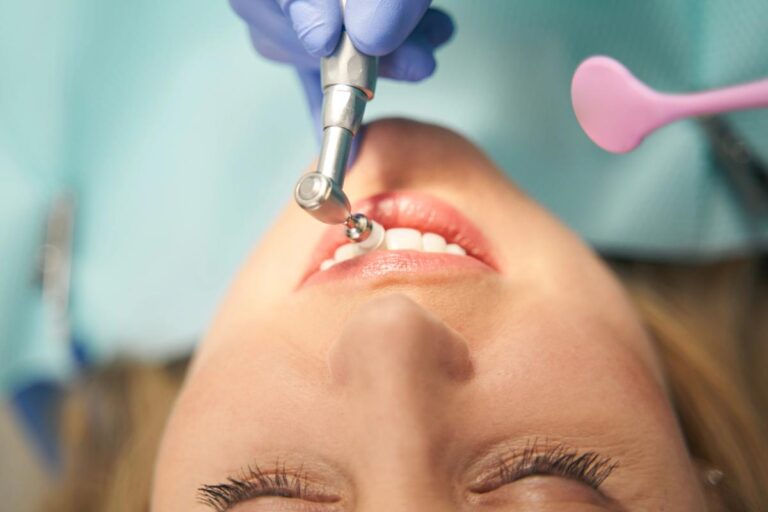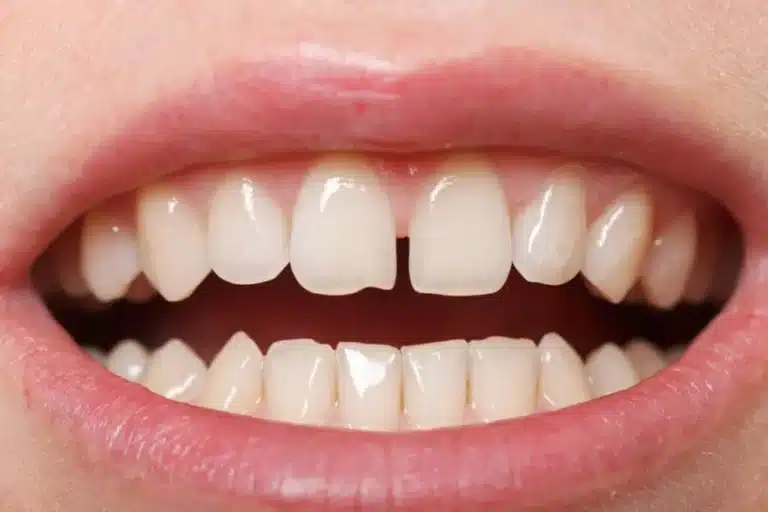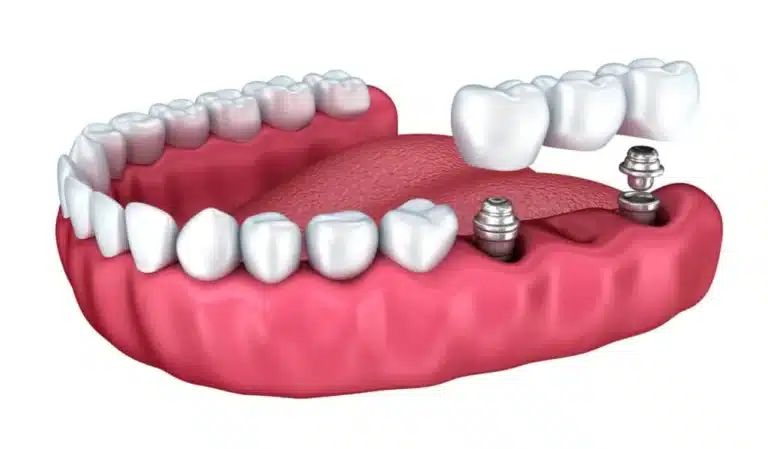
Tooth Extraction in Bangkok: how the procedure works, what it costs, and what to watch for afterward.
A tooth extraction is a dental procedure where a tooth is removed from the jaw.
Even though the idea of pulling a tooth can sound unpleasant, it’s often a necessary step to avoid serious complications and protect your overall dental health.
In this article, you’ll find out when a tooth extraction is necessary, how the procedure works in Bangkok, what to keep in mind before and after treatment, the risks involved, and what it costs compared to the US, UK, and Australia.
A tooth extraction is usually simpler than getting a dental implant; one appointment is normally enough, and you’re back on your feet the same day.
Still, it’s worth some prep, especially if you’re combining the procedure with a Bangkok trip: build in a day or two of downtime afterward, look into the clinic beforehand, and check how a follow-up would work if you’ve already left the city.
At a Glance
When is a tooth extraction necessary?
There are plenty of reasons a tooth might need to come out. Some of the most common situations are:
- Severe decay: When a tooth is too badly decayed to be saved with a filling or crown, extraction is often the only option left.
- Gum disease: Advanced gum disease (periodontitis) can damage the tooth socket enough that the tooth loosens and needs to be removed.
- Wisdom teeth: Wisdom teeth that come in at an angle or don’t erupt at all can cause pain, infection, or other dental problems. In these cases, removing them preventively is often recommended.
- Tooth damage: Teeth badly damaged by an accident or injury that can’t be repaired also need to be extracted.
- Overcrowding: In some cases, especially with orthodontic treatment, teeth need to be removed to make room for the rest and improve alignment.
- Infection: A tooth infection that doesn’t respond to antibiotics or risks spreading into the jaw also calls for extraction.
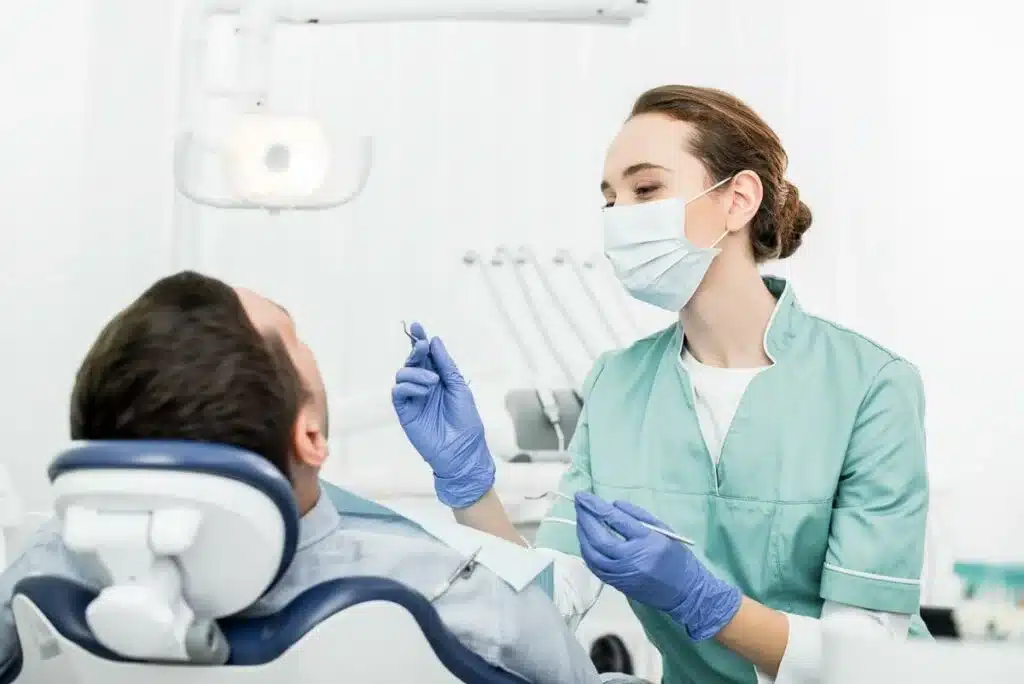
How a tooth extraction works
A tooth extraction can be simple or complex, depending on the tooth’s position, shape, and the condition of the surrounding tissue.
1. Preparation
Before the procedure starts, your dentist or oral surgeon will do a thorough exam.
This often includes an X-ray to assess the tooth’s exact position and the condition of the jawbone.
Tell the dentist about any medications or health conditions, since these can affect the procedure.
2. Local anesthesia
Most tooth extractions use local anesthesia to numb the area involved.
That means you’re awake during the procedure but won’t feel any pain.
For more complex procedures, or on request, sedation or general anesthesia can also be offered.
3. The procedure
- Simple extraction: For a simple extraction, typically done on a visible tooth, the dentist uses a tool called an elevator to loosen the tooth, then removes it with special forceps. This usually takes just a few minutes.
- Surgical extraction: If the tooth is below the gumline (as with wisdom teeth) or badly damaged, a surgical extraction may be needed. The gum is carefully opened, and the tooth may be removed in sections. This method takes more time and skill and is often used for complex cases.
4. After the extraction
After the procedure, the dentist will place a gauze pad over the wound to control bleeding.
You’ll need to bite down gently on it to keep up pressure on the area and help the blood clot form. In some cases, stitches are also needed to close the wound.

What to watch for after a tooth extraction
Proper aftercare is essential for a quick recovery and to avoid complications. Here are a few tips to help:
- Take it easy: After the extraction, rest for the remainder of the day and skip physical exertion.
- Manage bleeding: Some light bleeding in the first few hours is normal. Change the gauze pad as needed, but try not to spit too often, since that can disturb the blood clot.
- Minimize swelling: To reduce swelling, apply a cold pack to the outside of the affected area, in 15-minute intervals (15 minutes on, 15 minutes off).
- Manage pain: Mild pain is normal, and your dentist may prescribe something for it. In most cases, over-the-counter pain relievers like ibuprofen or acetaminophen are enough.
- Eating and drinking: Stick to soft foods like yogurt, soup, or purees for the first 24 hours. Avoid hot drinks and don’t drink through a straw, the suction can disturb the wound and cause dry socket.
- Oral hygiene: Brush your teeth as usual, but avoid the extraction site. Don’t rinse your mouth for the first 24 hours after the procedure. After that, you can gently rinse with a mild salt water solution to keep the wound clean.
Handy for your Bangkok trip: you should skip alcohol for the first few days after an extraction anyway, which spares both the wound and the effectiveness of any pain medication.
Possible risks and complications
While tooth extraction is generally a safe procedure, complications can occur in rare cases:
- Infection: If the wound doesn’t heal properly or bacteria get in, an infection can develop. Symptoms include fever, severe pain, or bad breath.
- Dry socket: This is a common complication that occurs when the blood clot protecting the wound dissolves or never forms properly. It can be quite painful and needs specific treatment from a dentist.
- Injury to nearby teeth or nerves: In rare cases, an extraction can damage neighboring teeth or nerves. The risk is higher with wisdom tooth extractions, especially when the tooth sits close to a nerve canal.
If you notice symptoms like severe pain, fever, or ongoing bleeding after you’re back home, don’t just see a dentist locally, let the Bangkok clinic know too, many offer follow-up advice by email or video call once you’ve left.
How long does healing take after a tooth extraction?
Healing after a tooth extraction happens in stages. In the first few days, a blood clot forms in the socket and the surrounding tissue starts to heal.
After about a week, the gum begins to regenerate and the wound gets smaller.
For straightforward extractions, full healing takes about two to three weeks.
Surgical procedures can take longer, especially if the jawbone was involved.
Price comparison: tooth extraction in Bangkok vs. the US, UK, and Australia
Worth knowing upfront: in the UK, the NHS covers most medically necessary extractions for a flat fee, so this comparison mostly matters if you’re paying privately, using US insurance with limited coverage, or in Australia where Medicare generally doesn’t cover dental work. For a rough sense of the numbers (as of August 2026, currency conversions approximate):
| Procedure | United States | United Kingdom | Australia | Bangkok |
|---|---|---|---|---|
| Simple extraction | $75 to $250 | £76.60 on the NHS (Band 2), £150 to £300 private | A$200 to A$400 | 1,200 to 5,000 THB (about $35 to $145) |
| Surgical extraction | $180 to $650 | free on the NHS if referred, £250 to £600 private | A$400 to A$1,200 | 6,000 to 12,000 THB (about $174 to $348) |
| Wisdom tooth, partially impacted | $225 to $600 | £150 to £750 private, often free via NHS hospital referral | A$200 to A$1,200 depending on impaction | 3,000 to 8,000 THB (about $87 to $232), depending on complexity |
| Sedation / general anesthesia (optional) | $250 to $900 | varies by clinic | often adds A$500 to A$2,000+ | surcharge varies by clinic, ask in advance |
Important: these are rough benchmarks from publicly available pricing, not firm quotes. The actual price depends on the complexity of your case and the clinic, and is only confirmed after an in-person exam and X-ray.
Well-known clinics for tooth extractions in Bangkok
Bangkok International Dental Center (BIDC) is JCI-accredited and handles a broad range of dental procedures, from simple extractions to oral surgery for complicated wisdom teeth.
Thantakit Dental Center is one of Thailand’s oldest dental clinics and caters to international patients, with dentists who often trained abroad.
Bangkok Smile Dental Clinic works well for more straightforward cases like a simple extraction, with easy booking and a central location near Lumpini Park.
These mentions are for general information only and aren’t a medical recommendation, they don’t replace an individual consultation or your own comparison of several clinics. Bangkok Insiders has no commercial relationship with the clinics named, unless stated otherwise.
Practical tips for combining a tooth extraction with a Bangkok trip
A simple extraction usually fits easily into a Bangkok stay, often early on in your trip so there’s enough time to heal before moving on to your next destination. For surgical extractions or wisdom teeth, plan on a day or two of downtime afterward instead of diving straight into diving, snorkeling, or intense exercise. If sedation or general anesthesia was used, you generally can’t drive a scooter or car yourself that same day, so arrange a ride back to your hotel in advance. And ask the clinic directly how they support you if complications come up after you’ve left, whether by email or video call, or whether they work with a dentist back home.
The bottom line on tooth extraction in Bangkok
A tooth extraction might sound worrying at first, but it’s a routine and safe procedure that’s often necessary to protect your dental health.
Preparing well and following your dentist’s instructions helps you heal quickly and smoothly. If you have questions or concerns, always check with your dentist to make sure you’re fully informed and ready for the procedure.
In Bangkok, many extractions, especially wisdom teeth, can be noticeably cheaper than paying out of pocket back home, unless your home insurance or the NHS already covers it. That said, the price matters less than choosing a reputable, well-reviewed clinic and giving yourself enough time to recover before moving on.
FAQs about tooth extraction in Bangkok
Here are answers to some of the questions we get asked most often about tooth extractions in Bangkok.
When is a tooth extraction necessary?
A tooth extraction is done when a tooth is too damaged or infected to be saved.
Common reasons include severe decay, gum disease (periodontitis), broken teeth, problematic wisdom teeth, or overcrowding.
In some cases, a tooth is also removed to make room for orthodontic treatment.
How does a tooth extraction work?
The procedure starts with a thorough exam and an X-ray to determine the tooth’s position.
The area is then numbed with local anesthesia, so you won’t feel pain during the extraction.
For a simple extraction, the dentist loosens the tooth with a special tool and pulls it out.
For a surgical extraction, such as with wisdom teeth, the gum is opened and the tooth may be removed in sections.
Is a tooth extraction painful?
You won’t feel pain during the extraction itself, since the area is numbed with local anesthesia.
Afterward, mild to moderate pain is possible, usually well managed with over-the-counter pain relievers like ibuprofen or acetaminophen.
In rare cases, the dentist prescribes something stronger.
How long does it take to recover from a tooth extraction?
Recovery time depends on the type of extraction. In the first few days, a blood clot forms in the socket and the gum starts to heal.
Simple extractions heal in about a week. More complex surgical procedures, particularly wisdom tooth removal, can take two to three weeks for full healing.
What should I do after a tooth extraction?
Rest and avoid physical exertion after the extraction. Applying a cold pack to the area helps reduce swelling.
It’s important not to disturb the blood clot in the wound, so avoid spitting or drinking through a straw.
Stick to soft foods for the first 24 hours and avoid hot drinks. Avoid smoking too, since it can slow healing.
What are the most common complications after a tooth extraction?
The most common complication is dry socket, where the blood clot in the socket is missing or dissolves too early.
This can be quite painful and needs specific treatment. Other possible complications include infection or bleeding that lasts longer than usual.
If you develop a fever or unusually severe pain, see a dentist right away.
How do I prepare for a tooth extraction?
Before the extraction, tell your dentist about any medications and health conditions, since these can affect the procedure.
It can also help to bring someone with you on the day, especially if sedation or general anesthesia is being used.
Plan for enough rest afterward to support healing.
What can I eat after an extraction?
For the first 24 hours after a tooth extraction, stick to soft foods like yogurt, soup, or purees.
Avoid spicy, crunchy, or hot food, since it can irritate the wound. Cold or lukewarm is better for the first few days.
As healing progresses, you can gradually return to normal food, including street food and curries, just give it a few days first.
Can I work out or go back to work after a tooth extraction?
After a simple extraction, you can usually get back to normal activities the next day, depending on how you feel.
For more complex procedures like wisdom tooth removal, it’s worth taking a day or two off.
Avoid exercise for at least 48 hours, since physical exertion can disturb clotting and cause bleeding.
When should I see a dentist after an extraction?
See a dentist if unusual symptoms show up after the extraction.
That includes severe pain that painkillers don’t touch, ongoing bleeding, swelling, fever, or a bad smell from the wound.
These can point to an infection or dry socket and need prompt treatment.
What does a tooth extraction cost in Bangkok?
A simple extraction usually costs 1,200 to 5,000 THB (roughly $35 to $145 / £27 to £111 / A$52 to A$217), a surgical extraction 6,000 to 12,000 THB (roughly $174 to $348 / £133 to £267 / A$261 to A$522).
A partially impacted wisdom tooth runs about 3,000 to 8,000 THB depending on complexity. You’ll only find out the exact price after an in-person exam.
Can I fly home or keep traveling the same day?
With a simple extraction and no sedation, that’s often possible, though not really recommended.
After surgical procedures, wisdom teeth, or with sedation, plan to stay in Bangkok for at least one, ideally two days, so complications like bleeding or dry socket can be caught early instead of dealing with them on a plane or at your next stop.
Note: This article is for general information only and doesn’t replace a personal dental consultation or exam. The clinics mentioned are named for general information, not as a medical recommendation, and Bangkok Insiders has no commercial relationship with them unless stated otherwise. Prices, procedures, and accreditations can change, so confirm everything directly with the clinic before any treatment, and consider getting a second professional opinion if needed.

- About the Author
- Latest Posts

Tim Kroeger is a luxury wellness travel specialist, founder of Universal Traveller, and creator of The Restorative Index, a performance-based framework for evaluating wellness hotels. After 15+ years across 110+ countries, he shifted from destination-chasing to travel recovery. Based in Bangkok, he reviews luxury wellness hotels and spas on tim-kroeger.com through a performance lens, combining firsthand testing with expert insights.