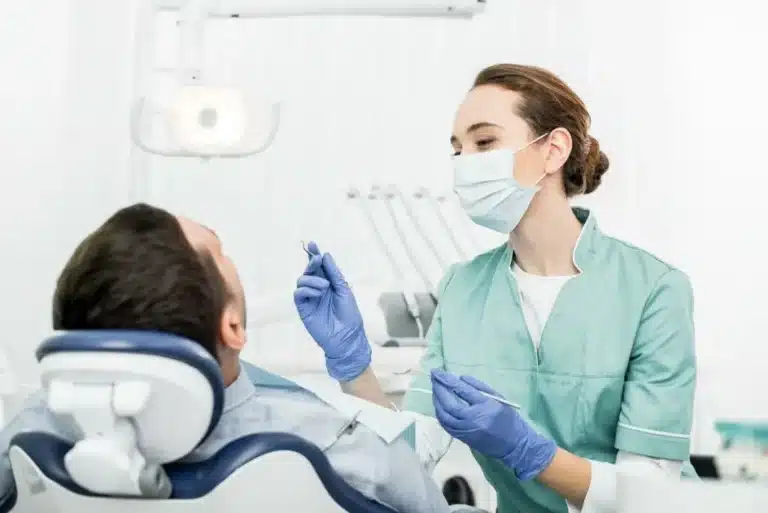
Dental Implants in Bangkok: Everything you need to know about getting implants in Thailand. Here’s how the procedure works, what it costs, and what to look for when choosing a clinic.
Dental implants are one of the most advanced and effective ways to replace a missing tooth today.
They’re more than a cosmetic fix, they restore full jaw function and let you chew and speak naturally again.
Bangkok has become one of the leading hubs for dental implantology in Asia over the past few years. In this article, you’ll find everything you need to know about dental implants: the different types and materials, how the procedure works, aftercare, possible risks, and a straight price comparison between Bangkok and the US, UK, and Australia.
People who choose a dental implant in Bangkok over getting one done at home usually do it for one simple reason: the price.
Bangkok clinics work with the same implant systems used in the US, UK, and Australia (Straumann, Nobel Biocare, and similar brands), many dentists trained in the US, UK, or Australia themselves, and several clinics are JCI-accredited, meaning they’re certified to international standards for patient safety.
That said, a dental implant is still a surgical procedure, not a spontaneous holiday booking. Build in enough time for the initial exam, consultation, and aftercare.
At a Glance
What is a dental implant?
A dental implant is an artificial tooth root that’s surgically placed into your jawbone.
It’s usually made of titanium or ceramic, since both materials are well tolerated by the body and don’t trigger allergic reactions.
The implant acts as a stable foundation for a crown, bridge, or denture, and it’s anchored firmly in the jawbone, much like a natural tooth root.
When do dental implants make sense?
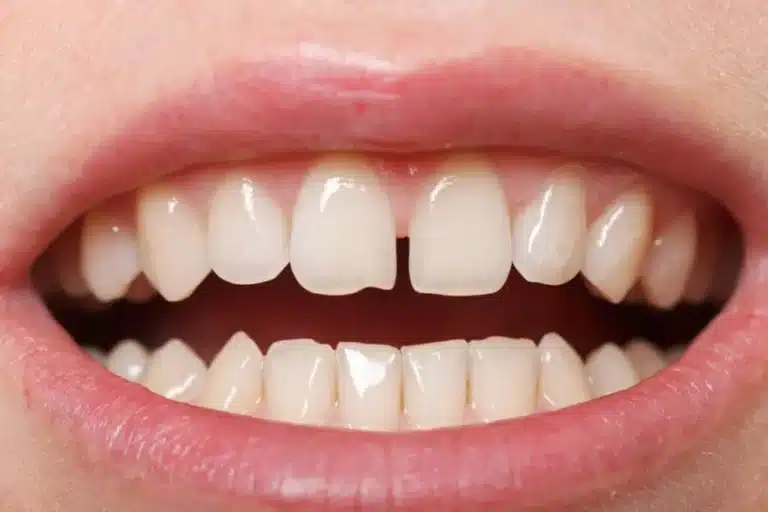
Dental implants are ideal when one or more teeth have been lost to decay, gum disease, an accident, or other causes.
They work for single gaps, larger gaps, and even a fully edentulous jaw.
Unlike traditional bridges and dentures, implants don’t affect neighboring teeth, since those teeth don’t need to be ground down or used as anchors.
With dental implants, you get a long-term, stable tooth replacement that comes very close to a natural tooth in both function and appearance.
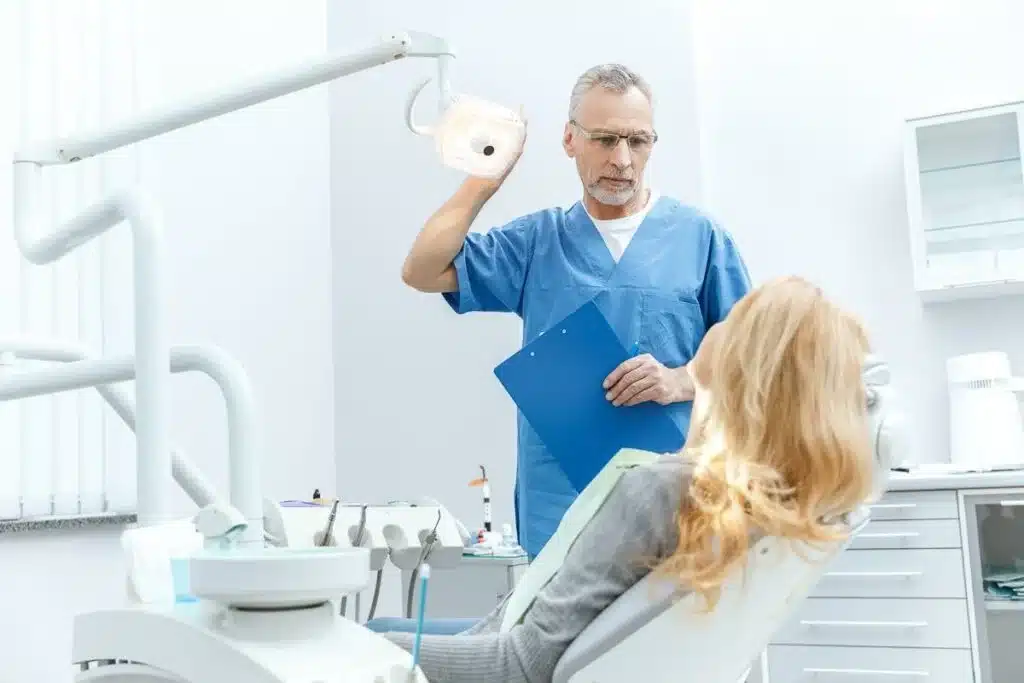
Benefits of dental implants
Compared to other tooth replacement options, dental implants offer several real advantages:
- Natural look: Dental implants look and feel like real teeth. They blend into your existing smile in both color and shape.
- Function: Implants let you chew and speak normally again. They also help prevent the jawbone loss that often happens when teeth go missing.
- Longevity: With good care, dental implants can last a lifetime, making them significantly more durable than traditional bridges or dentures.
- No impact on neighboring teeth: Since implants are anchored independently in the jaw, surrounding teeth don’t need to be reshaped or used for support.
- Stability and comfort: Implants sit firmly in the jaw and don’t shift around, which can sometimes be an issue with traditional dentures.
How a dental implant procedure works
Getting an implant is a multi-step process that typically takes several months from start to finish. Here’s an overview of each stage:
1. Initial exam and planning
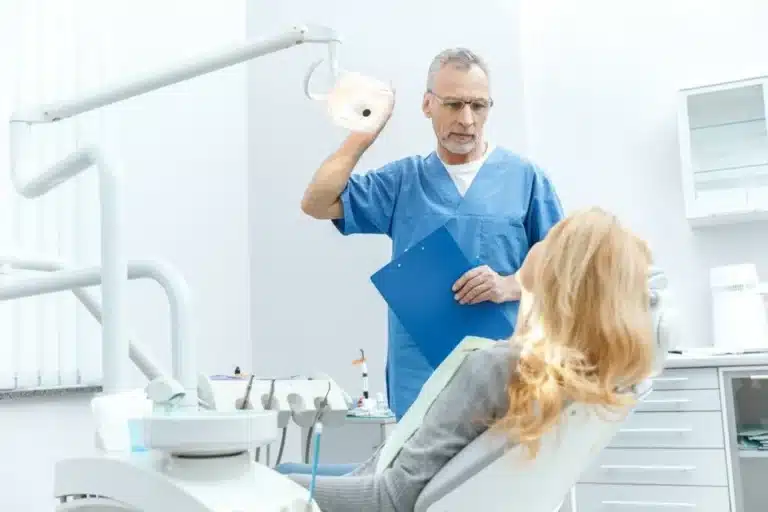
Before an implant is placed, you’ll have a thorough dental exam, usually including X-rays and sometimes 3D imaging.
Your dentist checks whether your jawbone has enough density and volume to hold the implant. If the bone is too thin or too soft, a bone graft (augmentation) may be needed first.
This step also produces a personalized treatment plan that lays out the exact process and the type of implant used. Get this plan in writing with all costs included before you commit to treatment.
2. Placing the implant
The actual procedure is done under local anesthesia. A small opening is made in the gum to expose the jawbone.
A hole is then drilled into the bone, and the implant is placed inside. The gum is then stitched back up.
Over the following weeks to months, the implant needs time to fuse solidly with the bone, a process called osseointegration, which is essential for long-term stability.
3. Healing phase
Healing usually takes between three and six months. During this time, the implant fuses solidly with the jawbone.
Depending on your case, a temporary crown or denture can be placed so you’re not left with a gap while you heal.
For your travel planning: this healing phase usually means two separate trips to Bangkok in practice, one for the implant placement and another a few months later for the final crown. Some clinics offer immediate-load systems (such as All-on-4) for select cases that can shorten this into a single trip, but that needs to be worked out individually with the dentist on site.
4. Attaching the final restoration
Once healing is complete, a connector piece called an abutment is attached to the implant. Your custom-made crown, bridge, or denture is then fitted onto it.
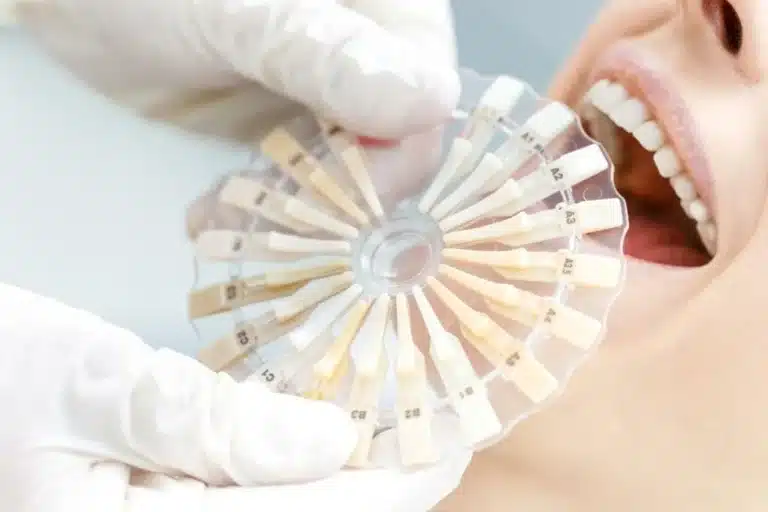
The crown is usually made of ceramic, shaped and colored to match your natural teeth.

Caring for dental implants
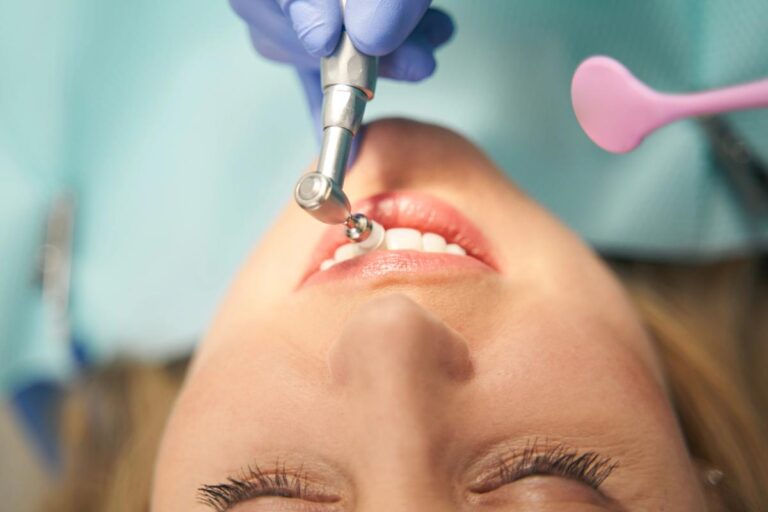
Thorough oral hygiene is essential for implants to last as long as possible. Caring for an implant is similar to caring for a natural tooth:
- Daily brushing: Brush thoroughly at least twice a day, including around the implant.
- Floss and interdental brushes: Use floss or interdental brushes to clean between teeth and remove plaque.
- Regular dental visits: Keep up with checkups and professional cleanings. Your dentist can catch early buildup around the implant and address it before it becomes a problem.
Risks and complications
Even though dental implants are a highly successful tooth-replacement option, complications can occur in some cases:
- Infection: If the surgical site becomes infected, it can cause inflammation of the gum and jawbone. Good oral hygiene is key to minimizing this risk.
- Implant failure: In rare cases, the jawbone doesn’t fuse tightly enough around the implant, so it doesn’t find a stable hold. A repeat procedure may be needed in that case.
- Peri-implantitis: This is inflammation of the tissue around the implant, similar to gum disease. Left untreated, it can lead to implant loss.
Getting treatment abroad adds one more organizational thing to think through: if follow-up care is needed after you’re back home, it helps to clarify beforehand how the clinic handles complications remotely, and whether a dentist near you can take over aftercare if needed.
How long do dental implants last?
Dental implants are built to be very durable. With good care and regular dental checkups, they can last many years, often a lifetime.
Dental literature commonly cites a success rate above 90% after ten years, though it depends heavily on individual factors like oral hygiene, smoking, and the experience of the treating dentist.

What do dental implants cost?
The cost of a dental implant varies a lot depending on your case, the materials used, and the type of restoration.
It’s made up of the initial exam, the surgical procedure itself, the restoration, and aftercare. Back home, a single implant including the crown typically runs $3,000 to $6,000 in the US, £1,800 to £3,500 in the UK, and A$5,000 to A$7,000 in Australia. Add a bone graft and you can expect several hundred to a couple thousand more, in any of these markets.
The price gap between Bangkok and home is often biggest for implants specifically, precisely because an implant tends to be one of the most expensive dental procedures around, wherever you’re from.
Price comparison: dental implants in Bangkok vs. the US, UK, and Australia
For a rough sense of the gap (as of August 2026, currency conversions approximate). Actual costs always depend on your individual case, the implant system chosen, and whether a bone graft is needed, you’ll only get a firm quote after an in-person exam.
| Country / clinic type | Price per implant incl. crown | Possible savings vs. home |
|---|---|---|
| United States (average) | about $3,000 to $6,000 | – |
| United Kingdom (average) | about £1,800 to £3,500 | – |
| Australia (average) | about A$5,000 to A$7,000 | – |
| Bangkok, standard private clinic | about 35,000 to 50,000 THB (roughly $1,015 to $1,450 / £780 to £1,110 / A$1,520 to A$2,175) | often 60 to 70% |
| Bangkok, established clinic with a premium implant system (e.g. Thantakit) | about 100,000 to 230,000 THB (roughly $2,900 to $6,670 / £2,220 to £5,110 / A$4,350 to A$10,000) | often 20 to 40%, less for Australia depending on case |
Worth keeping in mind: a lower price doesn’t automatically mean lower quality, plenty of Bangkok clinics use the same international implant brands as clinics back home and simply benefit from lower operating costs. Still, look for a thorough initial exam, a written quote, and verifiable credentials for the treating dentist, regardless of price.
Well-known clinics for dental implants in Bangkok
Bangkok International Dental Center (BIDC) was the first dental clinic in Thailand to earn JCI accreditation (since 2012, re-certified multiple times) and has more than 70 dentists on staff. The clinic works with Straumann implants, among others, and has a digitized in-house lab for crowns and abutments.
Thantakit Dental Center, founded in 1945, is one of Thailand’s oldest dental clinics and specializes in international patients. Many of its dentists trained in the UK, the US, or Australia.
These mentions are for general information only and aren’t a medical recommendation, they don’t replace an individual consultation or your own comparison of several clinics. Always get multiple independent opinions and quotes before any treatment.
Practical tips for your dental implant trip to Bangkok
Plan from the outset for at least two separate trips to Bangkok, one for the initial exam and implant placement, and another a few months later for the final crown. Get a written treatment plan with total costs before starting, including any potential extra charges for a bone graft. Ask specifically about the clinic’s accreditation (such as JCI) and the treating dentist’s qualifications. Check with your travel or international health insurance beforehand about whether, and to what extent, planned dental work abroad is actually covered, many policies exclude elective procedures. And build in a few quiet days in Bangkok after the procedure rather than moving straight on, in case a follow-up check is needed.
The bottom line on dental implants in Bangkok
Dental implants are an excellent solution for replacing missing teeth. They offer not just a natural look, but stability and function that outperform other tooth-replacement options.
While the implant process takes time and requires diligent oral hygiene, the result is typically both convincing and long-lasting. In Bangkok, choosing your clinic carefully can also mean a noticeably lower price than back home, but only if you build in enough time for the initial exam, the healing phase, and aftercare.
If you’re considering a dental implant in Bangkok, get a thorough consultation from more than one dentist, compare quotes, and only make your decision after an in-person exam.
FAQs about dental implants in Bangkok
Here are answers to some of the questions we get asked most often about dental implants in Bangkok.
What exactly is a dental implant?
A dental implant is an artificial tooth root placed into the jawbone to anchor a crown, bridge, or denture.
It’s usually made of titanium or ceramic and is a long-term solution that comes very close to a natural tooth both in appearance and function.
The implant is anchored firmly in the jaw, giving the restoration a stable base.
What does a dental implant cost in Bangkok?
At standard private clinics, an implant including the crown usually runs 35,000 to 50,000 THB (roughly $1,015 to $1,450 / £780 to £1,110 / A$1,520 to A$2,175).
At established clinics with premium implant systems, such as Thantakit, the price can climb to 100,000 to 230,000 THB (roughly $2,900 to $6,670 / £2,220 to £5,110 / A$4,350 to A$10,000).
For comparison, a single implant with crown typically costs $3,000 to $6,000 in the US, £1,800 to £3,500 in the UK, and A$5,000 to A$7,000 in Australia. You’ll only get a firm quote after an in-person exam.
Do I need to travel to Bangkok more than once for an implant?
In most cases, yes. There’s a healing phase (osseointegration) of three to six months between placing the implant and fitting the final crown.
Because of that, most patients plan two separate trips. Some clinics offer immediate-load systems like All-on-4 for select cases that shorten the process, but that has to be worked out individually with the dentist.
Who is a good candidate for dental implants?
Dental implants generally work for most people who’ve lost one or more teeth.
The main requirement is a healthy jawbone that can support the implant.
Certain health conditions, like uncontrolled diabetes or serious cardiovascular disease, can complicate the procedure.
Your dentist will run a thorough exam beforehand to confirm whether an implant is right for you.
How long does healing take after an implant is placed?
Healing after implant placement usually takes three to six months.
During this time, the implant fuses solidly with the jawbone, a process called osseointegration.
Only once this is complete is the final restoration, like a crown, attached to the implant.
Is getting a dental implant painful?
You won’t feel pain during the implant placement itself, since it’s done under local anesthesia.
Afterward, you may experience mild to moderate pain and swelling, similar to after a tooth extraction.
This is usually well managed with pain medication and cold compresses. Your dentist will give you specific aftercare instructions.
How do you care for a dental implant?
Caring for a dental implant is similar to caring for a natural tooth.
Brush thoroughly at least twice a day and use floss or interdental brushes to keep the spaces between teeth clean.
Regular checkups and professional cleanings are also important to prevent inflammation and infection around the implant.
How long do dental implants last?
Dental implants are built to last many years, often a lifetime.
How long they actually last depends heavily on oral hygiene and regular dental checkups.
Dental literature commonly cites a success rate above 90% after ten years.
Are there risks or complications with dental implants?
Like any surgical procedure, implant placement carries some risk.
This includes infection, inflammation of the gum and jawbone, nerve or blood vessel injury, and implant failure if it doesn’t fuse tightly enough with the bone.
Before treating abroad, also clarify how aftercare would work remotely, or through a dentist near you, if a complication comes up.
Is it safe to get a dental implant in Thailand?
Bangkok is one of the most established hubs for dental implantology in Asia, several clinics carry international accreditation (such as JCI), and many dentists trained internationally.
Still, the same rule applies as with any medical treatment abroad: research the clinic thoroughly, get several quotes, and have an in-person exam before you decide.
How do I find the right dentist for an implant in Bangkok?
Implant placement is a complex procedure that requires real experience and expertise.
Look for a specialization in implantology, international clinic accreditation (such as JCI), and the treating dentist’s training background.
A good implantologist will walk you through everything, answer your questions, and put together an individual, written treatment plan with you. Don’t hesitate to get a second opinion before treatment.
Note: This article is for general information only and doesn’t replace a personal dental consultation or exam. The clinics mentioned are named for general information, not as a medical recommendation, and Bangkok Insiders has no commercial relationship with them unless stated otherwise. Prices, procedures, and accreditations can change, so confirm everything directly with the clinic before any treatment, and consider getting a second professional opinion if needed.

- About the Author
- Latest Posts

Tim Kroeger is a luxury wellness travel specialist, founder of Universal Traveller, and creator of The Restorative Index, a performance-based framework for evaluating wellness hotels. After 15+ years across 110+ countries, he shifted from destination-chasing to travel recovery. Based in Bangkok, he reviews luxury wellness hotels and spas on tim-kroeger.com through a performance lens, combining firsthand testing with expert insights.