Teeth reshaping in Bangkok: everything you need to know, including prep and aftercare tips, what it feels like, and a price comparison with the US, UK, and Australia.
Tooth contouring, also called teeth reshaping or enameloplasty, is a quick cosmetic dental procedure used to improve the look of your smile or prepare a tooth for another treatment.
It’s a precise, controlled process where a dentist removes tiny amounts of enamel to correct the shape, alignment, or bite of a tooth.
Tooth contouring is part of the standard toolkit at most Bangkok dental clinics, often as a small step within a bigger treatment like veneers or crowns, but it’s also offered as a standalone cosmetic fix. In this article we’ll answer the most common questions and break down what it actually costs in Bangkok compared to back home.
At a Glance
What does “teeth reshaping” actually mean?
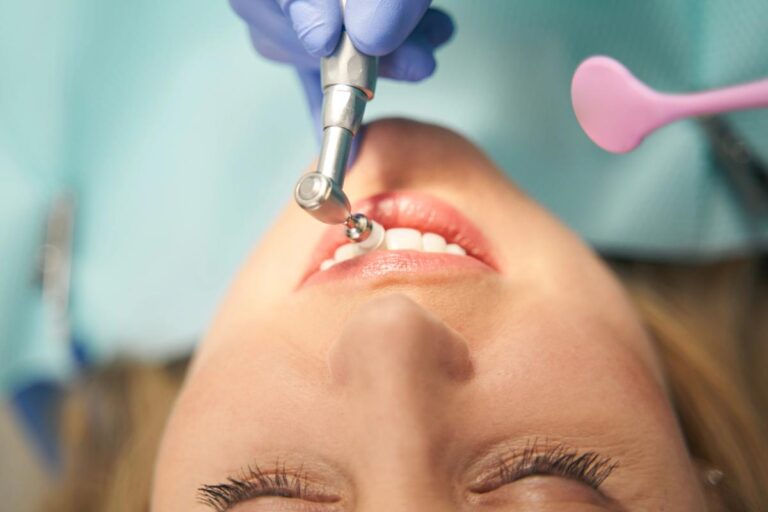
During tooth contouring, the dentist removes a thin layer of enamel, usually with fine rotary tools or diamond-tipped instruments.
The goal is to smooth the tooth’s surface, soften sharp edges, or adjust its shape.
Contouring can be purely cosmetic, for example to improve the shape of a tooth, or it can be a preparatory step for another treatment, such as fitting a crown or bridge or correcting a minor bite issue.
When is teeth reshaping necessary?
People opt for tooth contouring for a range of reasons, some purely cosmetic and some more functional.
Here’s a rundown of the most common ones:
1. Improving the look of your smile
One of the most common reasons for contouring is purely aesthetic. Some teeth are naturally uneven, oversized, or have sharp edges. That can throw off the overall look of a smile and bother the person quite a bit.
Targeted contouring helps a tooth blend in more naturally with the rest of the row. It works especially well on teeth that stick out, sit asymmetrically, or have a pointy edge.
The result is a more even, more attractive smile, which can be a real confidence boost.
2. Prepping for veneers or crowns
A common reason for contouring is preparation for veneers or crowns. For a veneer, the wafer-thin shell bonded to the front of a tooth, or a crown to sit securely and blend in, the tooth needs to be reduced slightly first.
Contouring makes sure the finished restoration sits flush with the neighboring teeth for a natural-looking result.
Dentists only remove as much enamel as is strictly necessary to protect the tooth’s structure. This step is essential for crowns in particular, since they wrap fully around the tooth.
3. Correcting minor misalignment
Small alignment issues can often be fixed without going through full orthodontic treatment.
If a tooth is slightly rotated, angled, or too wide, contouring can help it sit better within the row.
This works best when only a few teeth are involved and there’s no complex misalignment to correct. It’s a fast, budget-friendly alternative to longer orthodontic options like braces.

4. Fixing bite issues
An uneven bite can cause real problems, including jaw joint issues, pain while chewing, or uneven wear on your teeth.
Reshaping specific teeth can help even out the bite and distribute pressure more evenly.
By carefully removing enamel at specific points, the dentist adjusts the chewing surface so the teeth meet properly. That helps prevent long-term wear or jaw joint discomfort down the line.
5. Repairing minor damage
Sharp edges or uneven surfaces can show up after a chip or crack.
Beyond the cosmetic issue, this kind of damage can also irritate the inside of your mouth.
Contouring smooths out those sharp spots and restores the tooth’s natural shape, protecting the surrounding soft tissue and making it more comfortable to speak and chew.
How does tooth contouring work?
The process is precise and tailored to what you need. Here’s what a typical appointment looks like:
- Consultation and planning: Before the treatment, you’ll have a detailed conversation with the dentist, who examines your teeth, bite, and the change you’re after.
- Anesthesia (if needed): Minor procedures usually don’t need any numbing at all. If a larger amount of enamel needs to come off, a local anesthetic may be used.
- Contouring: Using specialized tools, the dentist removes the targeted enamel with extreme precision, taking care not to affect neighboring teeth or the gums.
- Polishing: After contouring, the tooth surface is polished smooth and glossy. This protects the tooth and leaves it feeling pleasant.
When contouring is done to prep for veneers or crowns, it’s almost always bundled into the overall price of that treatment, so you generally won’t pay extra for it.
What are the risks of teeth reshaping?
Contouring is generally considered a safe procedure, but there are a few possible risks worth knowing:
- Sensitivity: Since enamel protects the tooth from outside stimuli, contouring can cause temporary sensitivity, especially to hot, cold, or sweet foods and drinks.
- Enamel loss: Enamel doesn’t regenerate, so contouring should always be kept as minimal as possible to avoid long-term damage.
- Aesthetic issues: Contouring done poorly can leave a tooth looking uneven or out of proportion. That’s why it’s worth going to an experienced dentist for this kind of work.
- Bite changes: Removing too much tooth structure can throw off your bite and cause discomfort over time.
What does teeth reshaping cost?
The cost of tooth contouring varies depending on how much work is involved and the individual case.
Because it’s classed as cosmetic, it’s rarely covered by dental insurance, the NHS, or Medicare, wherever you’re getting it done.
Price comparison: teeth reshaping in Bangkok vs. the US, UK, and Australia
For a rough sense of the difference (as of September 2026, currency conversions approximate):
| Service | United States | United Kingdom | Australia | Bangkok |
|---|---|---|---|---|
| Purely cosmetic contouring, per tooth | $142 to $435 (national average around $215) | £50 to £300 (London often £150 to £300) | A$200 to A$250 | 2,000 to 2,600 THB (about $58 to $76 / £44 to £57 / A$88 to A$115) |
| Flat-fee session for minor multi-tooth contouring | $300 to $500 | varies by clinic, usually priced per tooth instead | varies by clinic, usually priced per tooth instead | typically in the low hundreds of dollars/pounds total, depending on clinic and number of teeth |
| Contouring as prep for veneers/crowns | included in the veneer/crown price | included in the veneer/crown price | included in the veneer/crown price | included in the veneer/crown price |
These are rough benchmarks pulled from publicly available pricing, not firm quotes. The actual cost depends on the extent of the work, the technique used, and the clinic, and will only be confirmed after an in-person exam.
Well-known clinics for tooth contouring in Bangkok
Bangkok International Dental Center (BIDC) offers tooth contouring both as a standalone cosmetic treatment and as prep work for veneers and crowns.
Thantakit Dental Center also lists tooth contouring among its standard cosmetic services for international patients.
Since it’s a precise, irreversible procedure, it’s worth asking specifically about the treating dentist’s experience with cosmetic contouring, not just the clinic’s reputation overall.
These mentions are for general information only and aren’t a medical recommendation, they don’t replace an individual consultation or your own comparison of several clinics. Bangkok Insiders has no commercial relationship with the clinics named, unless stated otherwise.
Practical tips for getting it done in Bangkok
Simple contouring is usually wrapped up in a single, short appointment, and you can eat and drink right afterward, with zero downtime. That said, don’t book it for your very last day in the city in case a follow-up polish or check is needed.
Ask your dentist to show you exactly which teeth will be reshaped and by how much, ideally with a mock-up or photo comparison, since the process can’t be undone. If you notice mild sensitivity afterward, a toothpaste for sensitive teeth in the first few days can help.
How do I prepare for tooth contouring?
- Book a consultation: Get a thorough assessment beforehand. The dentist will examine your teeth and confirm whether contouring is the right fit for you.
- Keep up your oral hygiene: Brush and floss thoroughly before and after the treatment to avoid irritation or infection.
- Ask questions: Discuss alternatives, the exact cost, and aftercare so you go in fully informed.
Aftercare: what to watch for after tooth contouring
After the treatment, it’s important to look after your teeth properly to protect them from damage. A few tips:
- Oral care: Use a toothpaste made for sensitive teeth and skip harsh mouthwashes for a while.
- Avoid strong triggers: Steer clear of very hot, cold, or acidic food and drinks for a few days.
- Regular checkups: Keep seeing your dentist regularly to make sure your teeth stay healthy and your bite stays balanced.
The bottom line: teeth reshaping in Bangkok
Tooth contouring is a well-established way to make both cosmetic and functional improvements to your smile.
Whether you’re after a better tooth shape, prepping for veneers or crowns, or fixing a minor alignment issue, the treatment is versatile, widely available in Bangkok, and easy to tailor to your needs.
The key is to have it done by an experienced professional to keep the risks low and get the best possible result. With the right aftercare, your teeth will stay healthy and strong long after contouring.
FAQs: teeth reshaping in Bangkok
Here are answers to some of the questions we get asked most often about teeth reshaping in Bangkok.
What does it mean to have your teeth reshaped?
During tooth contouring, the dentist removes a thin layer of enamel to improve the shape, alignment, or function of a tooth. It can be a purely cosmetic procedure or a necessary step to prepare a tooth for veneers or a crown.
How much does teeth reshaping cost in Bangkok?
Purely cosmetic contouring typically runs about 2,000 to 2,600 THB (roughly $58 to $76 / £44 to £57 / A$88 to A$115) per tooth at Bangkok clinics. If it’s done to prep for veneers or crowns, it’s usually included in that treatment’s price. For comparison, per-tooth contouring runs about $142 to $435 in the US, £50 to £300 in the UK, and A$200 to A$250 in Australia.
Does insurance, the NHS, or Medicare cover teeth reshaping?
Because it’s considered cosmetic, tooth contouring is rarely covered by private dental insurance in the US, by the NHS in the UK, or by Medicare in Australia. It’s typically an out-of-pocket cost wherever you get it done, including in Bangkok.
Why would someone need their teeth reshaped?
People get teeth reshaped for several reasons: to improve the look of their smile, to prepare a tooth for veneers or a crown, to correct minor misalignment, to fix bite problems, or to smooth out damage like a sharp edge after a chip.
Does tooth contouring hurt?
In most cases, contouring doesn’t cause pain, since only the outer layer of enamel is removed. For larger procedures or particularly sensitive teeth, a local anesthetic can be used to make the process more comfortable.
Is teeth reshaping permanent?
Yes, contouring is irreversible, since enamel doesn’t grow back. That’s why the procedure is done with a lot of precision, removing only as much as is strictly necessary.
What are the risks of teeth reshaping?
The most common risks are temporary sensitivity to hot, cold, or sweet food and drink. In rare cases, removing too much enamel can lead to longer-term issues like increased sensitivity or a change in your bite.
How do I prepare for tooth contouring?
Before the procedure, your teeth should be thoroughly cleaned to set a good baseline. It’s also worth going through all your questions and concerns with the dentist during the consultation, ideally with a mock-up or photo comparison.
How long does teeth reshaping take?
Reshaping a single tooth usually takes just a few minutes. With multiple teeth or a more complex case, the appointment can run longer. Simple cosmetic corrections are often finished in one visit.
Is a short trip to Bangkok enough time for teeth reshaping?
Yes, standalone contouring can usually be done in a single day with zero downtime. If it’s combined with veneers or crowns, the length of your stay will depend on that main treatment instead.
Note: This article is for general information only and doesn’t replace a personal dental consultation or exam. The clinics mentioned are named for general information, not as a medical recommendation, and Bangkok Insiders has no commercial relationship with them unless stated otherwise. Prices, procedures, and accreditations can change, so confirm everything directly with the clinic before any treatment, and consider getting a second professional opinion if needed.

- About the Author
- Latest Posts

Tim Kroeger is a luxury wellness travel specialist, founder of Universal Traveller, and creator of The Restorative Index, a performance-based framework for evaluating wellness hotels. After 15+ years across 110+ countries, he shifted from destination-chasing to travel recovery. Based in Bangkok, he reviews luxury wellness hotels and spas on tim-kroeger.com through a performance lens, combining firsthand testing with expert insights.